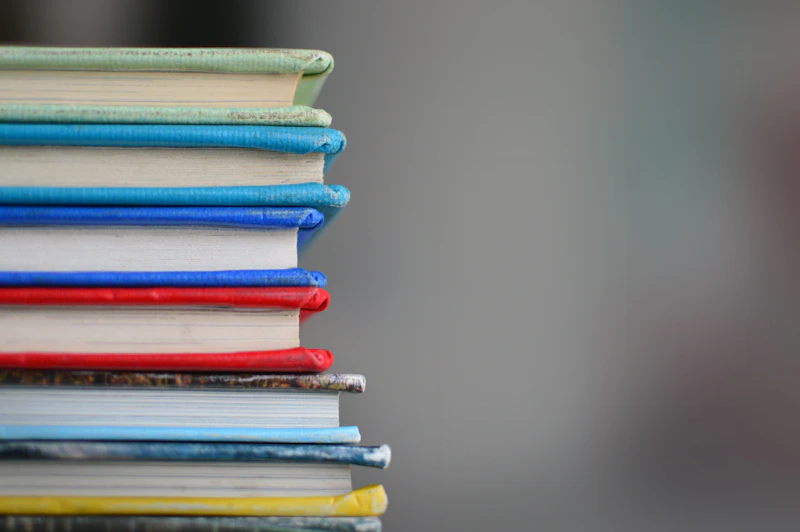
For decades, literacy and social-emotional learning (SEL) have been treated as separate pillars in school curricula. However, reading is inherently an emotional exercise. When students connect with characters who look, think, and feel like them, they develop the vocabulary to express their own inner worlds. Literacy is not just about decoding words; it's the ultimate vehicle for empathy.
Books as Mirrors and Windows
Culturally relevant books serve two critical functions: they act as mirrors that reflect students' lived experiences and validate their identities, and windows that offer a view into the lives of others, fostering mutual respect. When we neglect representation in classroom libraries, we miss a vital opportunity to cultivate belonging.
"When a child sees themselves in a book, they see their value in the world."
Integrating SEL Prompts into Daily Reading
Educators can seamlessly blend reading with emotional reflection by asking simple, open-ended SEL questions during storytime:
- How do you think the character felt when that happened? How would you feel?
- What did the character do to calm down when they got angry?
- How did the characters work together to solve their problem?
Explore the Epiphany Library
Discover self-love and affirmation children's books like Jabez Jabez and Jacobi Jacobi designed to spark positive classroom dialogues.
Shop Book Collection →